This website uses various technologies including cookies for personalization, website usage and performance measurement, and targeted advertising. Information about your site visit may be stored by or shared with third parties as described in our Privacy Policy. By continuing to browse, you agree with our collection and disclosure of your information.
Cookie Settings
This website uses various technologies including cookies for personalization, website usage and performance measurement, and targeted advertising. Information about your site visit may be stored by or shared with third parties as described in our Privacy Policy. By continuing to browse, you agree with our collection and disclosure of your information.
Strictly Necessary
This website uses various technologies including cookies for personalization, website usage and performance measurement, and targeted advertising. Information about your site visit may be stored by or shared with third parties as described in our Privacy Policy. By continuing to browse, you agree with our collection and disclosure of your information.
This website uses various technologies including cookies for personalization, website usage and performance measurement, and targeted advertising. Information about your site visit may be stored by or shared with third parties as described in our Privacy Policy. By continuing to browse, you agree with our collection and disclosure of your information.
NO MINIMUM ORDER - SAME DAY SHIPPING
One or more installed browser plugins are blocking URL parameters. To properly calculate savings, or to checkout, you must disable it before you continue. Please click HERE after you disabled it to retest, or HERE for an instructional video
Glazed brakes reduce braking efficiency by changing how effectively the pads or shoes can generate friction under load. They often develop from repeated or hard braking events, especially in heavy-duty vehicles that operate on steep grades, encounter frequent stops, or endure other demanding conditions. Glazed brakes may still function, but their hardened, altered surfaces provide less grip, leading to inconsistent braking performance, increased stopping distances, and recurring brake fade.
Both disc and drum brakes can exhibit glazing when friction components operate at temperatures beyond their intended range or when parts are worn or mismatched for the vehicle's duty cycle. Once glazing forms, the brake pad or shoe tends to slide against the rotor or drum rather than grip it. Because this condition directly affects braking safety and stopping power, it should be corrected as soon as possible.
Glazed brakes are a type of brake damage in which friction components develop a hardened, smooth, or shiny layer after being exposed to heat levels beyond what the materials are designed to tolerate. Once this happens, the brake system can no longer generate normal friction, leading to weaker braking response, longer stopping distances, and performance that becomes less consistent under load.
Glazing tends to occur in vehicles exposed to repeated hard stops, extended downhill braking, heavy-load or towing conditions that demand frequent brake use, or other situations where the braking system faces sustained high-heat cycles. The damage can develop on friction linings (pads and shoes) or on metal contact surfaces (rotors and drums), but the process is not the same for both.
Pads & Shoes (Friction Linings)
Friction linings like pads and shoes are engineered to operate within specific temperature ranges appropriate for their intended application. During repeated or demanding braking events, temperatures can exceed the friction material's heat rating. When this happens, the resins and binders that hold the lining together can chemically break down and change the material's composition and functional behavior.
The result is that the friction material often hardens and develops a smooth surface that no longer grips the drum or rotor as intended. The hardened material also loses some of its ability to wear gradually and may retain heat longer. Because this condition does not reverse when the brakes cool or through normal wear, braking performance will not return to normal until the glazed pads or shoes are resurfaced or replaced.
Rotors & Drums (Contact Surfaces)
Rotors and drums can also appear "glazed," but the cause is slightly different. When pads or shoes are exposed to excessive or sustained heat, small amounts of friction material can transfer onto the metal surface of the rotor or drum as a thin polished film or through localized micro-welding. This creates a glossy, reflective layer — commonly referred to as glazed rotors or glazed drums — but the change is largely limited to the metal's surface. Although the process differs from friction-lining glazing, the effect is similar: reduced friction at the contact point and less predictable braking performance.
Glazing and Brake Fade: How They Relate
Glazing and brake fade are both heat-related conditions that reduce braking performance, but they differ in how long they last and how they're corrected. Vehicles that frequently experience brake fade due to excessive heat are more likely to develop glazing, and glazed brakes in turn can lead to persistent fade until the affected parts are corrected or replaced.
Brake fade is a general condition that occurs when high operating temperatures reduce contact between friction surfaces, most commonly due to trapped gases or metal components naturally expanding under heat. It's usually temporary, and normal performance typically returns once the system has cooled.
Glazing is a chemical and structural change in the friction material that develops after heavy or prolonged exposure to those same high temperatures. The surface of the friction material becomes hard and smooth (the opposite of its intended texture), resulting in reduced grip even when the system is cool or operating within normal temperature ranges. When glazing becomes severe, resurfacing or part replacement may be required to restore proper braking performance.
What Do Glazed Brakes Look Like?
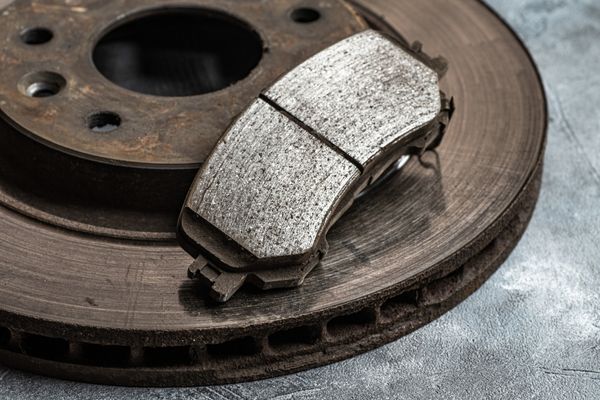
Visually, glazed brakes are easy to spot once you know what to look for. A normal brake pad or shoe has a slightly rough, matte surface texture that promotes grip and heat dissipation. When glazing occurs, that surface becomes smooth, hard, and shiny, often reflecting light like glass.
In more severe cases, you may also notice blue or purple discoloration on the friction material — a sign of repeated high-temperature exposure. On drum brakes, the lining may appear polished and may no longer follow the drum's arc evenly, while disc pads can take on a mirror-like finish that indicates the material is no longer biting properly.
Rotors and drums can show glazing as well, but the smooth, shiny finish comes from a different process than it does on pads or shoes. In these cases, the metal may display a heat-polished band or glossy film created by friction material transferring onto the surface and forming a smooth, reflective layer.
Common Causes of Glazed Brakes
Glazing is almost always the result of excess heat, but the reasons that heat builds up vary by how the vehicle is driven and maintained. In most cases, it isn't a single event but a pattern: too much braking, not enough cooling, or using parts that can't tolerate the temperatures being reached.
Common contributors of glazing include:
Riding the brakes: Keeping steady pressure on the pedal (especially downhill) generates continuous heat without time to cool.
Repeated hard stops: Aggressive braking creates sudden, extreme temperature spikes that quickly harden the surface.
Overloading or towing: Heavier loads increase braking force and system temperature.
Poor airflow or cooling: Enclosed systems or debris buildup around drums or rotors trap heat.
Sticking calipers or return springs: Sticking components keep pads or shoes in contact with the braking surface after pedal release.
Low-quality or incorrect friction materials: Using pads or shoes not rated for your vehicle's weight or duty cycle increases the risk of glazing.
Each of these conditions raises braking temperatures and accelerates the hardening of the friction surface, eventually leading to a loss of grip and slower stopping response.
Symptoms of Glazed Brakes
Because glazing alters the friction surface, it changes how the brakes sound, feel, and respond. The symptoms often mimic other brake issues, but a quick inspection will usually confirm a hardened or glossy pad or shoe surface.
Common signs include:
Smooth or shiny friction surface: A visual inspection may reveal a glass-like finish on pads or shoes.
Reduced braking power or slower stops: Glazed material produces less friction, increasing stopping distance and brake fade.
Weaker braking response: Glazed brakes reduce how effectively the pads or shoes can grip the rotor or drum.
Squealing or squeaking noises during braking: A hardened friction layer creates a high-pitched tone as it slips across the rotor or drum.
Vibration or shuddering during stops: Uneven glazing or heat spots on the rotor/drum can cause a pulsing sensation.
Burning smell after heavy braking: The odor of overheated resins is a strong indicator of glazing or high brake temperatures.
How to Fix Glazed Brakes
In most cases, glazed brakes should be replaced rather than restored. Once friction material has hardened from heat, its composition and grip are often permanently altered, making it unsafe for continued service. Brake pad and shoe replacement ensures consistent braking and removes the risk of further heat damage.
When glazing is severe:
Replace pads or shoes completely.
Inspect rotors and drums for spotting, discoloration, or a polished band of film from glaze transfer, which can reduce friction even after new linings are installed. Resurface or replace them if they show visible scoring or discoloration.
Check for hardware issues such as seized caliper slides, weak return springs, or misaligned shoes that may have contributed to overheating.
When glazing is minor:
If the pads or shoes retain full thickness and the surface glaze is light, they can sometimes be deglazed by lightly scuffing the surface with sandpaper. This restores a fresh texture without removing significant material.
The same applies to glazed rotors and drums showing light heat-polish. A light resurfacing or machining can restore normal friction characteristics.
After any deglazing work, re-bed the brakes according to manufacturer procedures to re-establish even contact.
Avoid "burn-off" methods that involve intentionally overheating the brakes to remove glazing. This can damage the new friction material, distort rotors or drums, and create safety risks.
Tips to Avoid Brake Glazing
Preventing brake glazing comes down to managing heat, both in how the brakes are used and how the system is maintained. The same conditions that cause overheating also shorten brake life for pads and shoes, so these practices help avoid both.
Best practices include:
Avoid riding the brakes. Apply steady pressure as needed, and release fully when appropriate to allow the brakes to cool.
Use engine braking on descents. Where legally permitted and safe, downshift or use retarders to share braking load and limit heat buildup.
Brake progressively. Instead of repeated hard stops, apply moderate pressure earlier and allow more distance to slow.
Don't overload the vehicle. Excess weight increases braking force and heat generation, even on short routes.
Choose friction materials rated for your duty cycle. Pads and shoes designed for heavy-duty or severe service maintain stable friction at higher operating temperatures.
Address wear and heat damage early. If inspections show uneven lining wear, heat discoloration on drums or rotors, or hardware that's sticking, replace or service those parts promptly. Ignoring these warning signs allows excess heat and friction imbalance to develop, increasing the risk of glazing and reduced braking performance.
Restoring Braking Performance: Where to Buy Replacement Parts
Glazed brakes are a clear sign that heat has pushed your brake system beyond its intended range. Once friction material hardens or the surface becomes polished, braking performance will continue to decline until the affected parts are replaced or resurfaced.
The best way to restore stopping power is to act quickly. Replace pads, shoes, rotors, or drums showing signs of glazing or wear before reduced friction begins affecting overall braking performance. Find replacement brake parts designed for your vehicle's duty cycle at JIT Truck Parts to keep your fleet stopping safely and performing consistently.